

Top 10 Cold Chain Services Providers - 2024
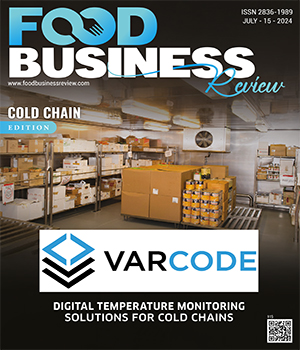
Cold Chain - 2024
Nominate a Company
Usually, the qualified subscribers of our magazine nominate companies with whom they have collaborated and experienced exceptional results to be in this list. Did a company you recently worked with give you stellar results and ROI? Did it turn out to be one you would wholeheartedly recommend to peers? Or do you know of such an outstanding company through your network? Please fill in the details below and nominate them to be featured here.

Top Cold Chain Services Providers
Varcode ensures safe delivery of temperature-sensitive products and reduces food waste. Its smart data solution monitors temperature excursions throughout the cold chain, providing actionable data to consumers and distributors through a scannable, dynamic barcode. ... read full profile

Langley Storage is a family-owned warehousing company in the heart of Kentucky that offers different cold storage options for temperature-sensitive goods. Its comprehensive storage services, like cross-docking, allow for significant reductions in storage and labor requirements. Its blast-freezing services demonstrate adaptability to various industries' needs, particularly in swiftlyfreezing perishable food products. ... read full profile

Burnsed RefrigeratedTrucking
Based in Florida, Burnsed Refrigerated Trucking delivers fresh seafood products to suppliers, wholesalers and fisheries in North America. Involved in collection, storage, allocation and shipping, the company offers prompt deliveries with state-of-the-art fleet of vehicles and an extremely responsive team.

Americold
Americold provides innovative supply chain solutions and cold storage services with integrated technology offers a comprehensive network of temperature-controlled infrastructure, which is essential for the growth of businesses that require cold chain systems. Their services include cold storage warehouses, supply chain management, and value-added services to connect producers, retailers, food service providers, and consumers globally
Burris Logistics
Burris Logistics is a family-owned & operated third-party logistics company that has been leading the industry since 1925. They provide a range of supply chain solutions, including food service redistribution, freight management, and logistics IT. Honor Foods, offered by Burris Logistics, specializes in the redistribution of refrigerated, frozen, dry, and dairy products from well-known brands.

Green Rabbit
Green Rabbit is a leading cold chain logistics provider that delivers temperaturesensitive foods. They emphasize technology innovation, boasting a 99.9% delivery success rate, and are a food safety leader, enforcing the highest compliance measures on every order. They also offer sustainable packaging options, with 100% recyclable materials and information on recycling their gel packs.
HPL APOLLO
HPL Apollo offers specialized cool logistic solutions for temperaturesensitive and time-critical products. With over a decade of experience in perishable logistics, they ensure that goods such as fresh produce, flowers, dairy, proteins, and pharmaceuticals arrive on time and in prime condition.
Lineage
Lineage is a global leader in cold storage warehousing and integrated solutions. It specializes in creating a more efficient, sustainable, and reliable cold chain to help feed the world. Lineage operates a vast network of strategically located facilities worldwide and offers innovative cold storage and transportation solutions.
Tippmann Group
Tippmann Group is renowned for its cold storage warehousing and construction expertise, particularly for the food industry. With over 50 years of experience, they offer comprehensive services that include designing and building temperaturecontrolled facilities.
United States Cold Storage
United States Cold Storage (USCS) is a prominent company in the cold chain industry, offering cold storage solutions and logistics services. They are committed to advancing and innovating within the industry, providing top-notch service, facilities, and logistics to companies across the globe.
Cold Chain Info
Q1
What Do Top Cold Chain Solutions Cover Across Food and Beverage Supply Chains?
Top Cold Chain Solutions refer to systems and service providers that manage temperature-controlled storage, transport and monitoring for perishable goods. This includes refrigerated warehousing, insulated transport, real-time temperature tracking and compliance documentation. In food and beverage workflows, these solutions sit between production, distribution and retail, ensuring products such as dairy, meat, seafood and frozen goods remain within defined temperature ranges. Failures here are not abstract—they show up as spoilage, rejected shipments or regulatory violations, often within a single logistics cycle.
Q2
Why Is Demand for Top Cold Chain Solutions Increasing Now?
Top Cold Chain Solutions are gaining attention due to tighter food safety rules, longer distribution networks and rising demand for fresh and minimally processed products. E-commerce grocery and direct-to-consumer delivery have added complexity, with smaller shipment sizes and stricter delivery windows. Temperature excursions that might once have been tolerated now lead to immediate rejection. At the same time, global sourcing means goods travel further under controlled conditions, increasing the need for reliable monitoring, contingency planning and audit-ready traceability.
Q3
How Should Food and Beverage Companies Evaluate Cold Chain Providers?
Evaluation tends to break down into a few practical areas:
Temperature control accuracy: Not just capability, but consistency across routes and seasons
Monitoring systems: Availability of real-time alerts, data logging and audit trails
Infrastructure footprint: Access to cold storage near production and consumption hubs
Contingency handling: Backup refrigeration, rerouting protocols and response times
Buyers should look beyond marketing claims and ask how often temperature deviations occur and how they are handled. Service-level transparency matters more than feature lists.
Q4
What Business Impact Do Top Cold Chain Solutions Deliver?
Top Cold Chain Solutions directly affect product loss, shelf life and regulatory compliance. A stable cold chain reduces spoilage rates, which has a measurable effect on margins in categories like seafood and dairy. It also supports brand consistency—products arriving in poor condition damage retailer relationships and consumer trust. On the compliance side, documented temperature control reduces exposure during audits or recalls. These are not incremental gains; a single failed shipment can erase margins across multiple successful ones.
Q5
What Role Do Technology and Data Play in Modern Cold Chain Operations?
Cold chain systems have moved from passive refrigeration to monitored, data-driven networks. IoT sensors track temperature, humidity and location, often transmitting data continuously during transit. This allows operators to intervene mid-route rather than discovering issues at delivery. Some providers integrate predictive maintenance for refrigeration units or route optimization based on ambient conditions. The practical value lies in reducing uncertainty—knowing when a refrigeration unit is drifting out of range or when a delay risks product integrity.
Q6
What Should Buyers Prioritize When Comparing Top Cold Chain Solutions?
When comparing Top Cold Chain Solutions, decision-makers should focus on reliability under real conditions rather than nominal specifications. Questions that tend to reveal differences include: how often shipments require intervention, how quickly alerts are acted on and how data is shared with clients. Coverage gaps—such as limited reach in certain regions or weak last-mile capabilities—often create more risk than visible system limitations. Cost matters, but variability in performance usually drives the larger financial impact over time.
